Full-depth reclamation (FDR) with concrete is a procedure where an old, damaged asphalt road is ground up and mixed with concrete, after that compressed to develop a new, supported base layer. Due to the fact that this technique reuses shabby roadway surfaces, it is both cost-effective and eco-friendly. The International Journal of Concrete Structures and Products (IJCSM) supplies an international online forum regarding various subjects connected to concrete or cement based products and frameworks.
Precast Concrete
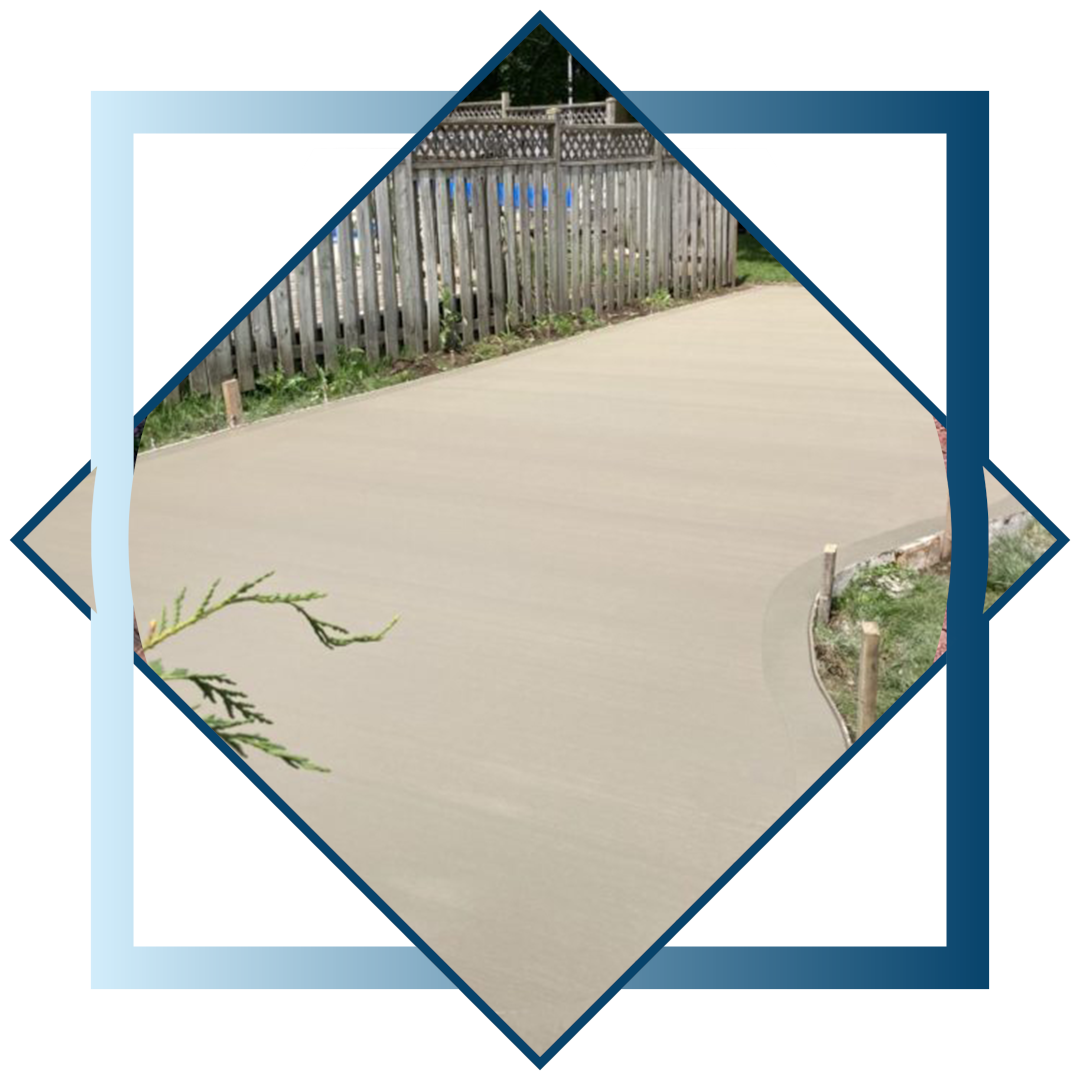
Concrete is a recommended material for road paving as a result of its toughness, skid-resistance, and capacity to withstand heavy loads. Concrete roads are low-maintenance and can last for years with proper care. They are also immune to oil and gas spills, making them a suitable selection for high-traffic areas. Erosion Control http://judahfmmq230.bearsfanteamshop.com/decorative-concrete-solutions-for-patios-pool-decks-and-more-concrete-driveways & Seepage Control on huge, evenly profiled framework such as canals, watering channels, rivers and hydroelectric channels. Pervious concrete is an unique sort of concrete with large openings that enables water to pass through, assisting in stormwater administration. Use of pervious concrete is amongst the most effective Administration Practices advised by the EPA and other agencies for the monitoring of stormwater runoff.
Refractory Cement
The hydration process is exothermic, which implies ambient temperature plays a considerable duty in how long it takes concrete to establish. Frequently, additives (such as pozzolans or superplasticizers) are included in the combination to boost the physical homes of the damp mix, delay or increase the curing time, or otherwise alter the finished product. A lot of concrete is poured with enhancing products (such as steel rebar) ingrained to offer tensile strength, generating enhanced concrete.
- Generally, 10-times much faster to mount than standard concrete options; essentially, it's Concrete on a Roll ™.
- As admixtures, they made use of animal fat, milk and blood-- materials that mirror very primary techniques.
- Some of its most popular structures still stand today consisting of the Roman Pantheon (which remains the largest unreinforced concrete dome on the planet) and the Coliseum.
- When set, normally between 15% and 25% of the concrete volume is gaps, permitting water to drain pipes at around 5 gal/ft2/ minutes (70 L/m2/min) with the concrete.

Derived Types
This can be processed by lowering the water-cement measurable relationship to a minimum of 0.35 or reduced. The reduced water-cement quantitative connection makes this type of cementless viable. To combat this weak point, superplasticizers are other than the here and now concrete incorporate. The major benefits of cement concrete are its toughness, longevity, and fire resistance. It is also relatively low upkeep and can be quickly repaired if harmed.
What is concrete simply put notes?
Concrete is a structure material utilized around the globe today and had been made use of throughout history. It is composed of two main ingredients: Cement paste - a mix of water and cement (a binding agent) Accumulations - filler product like sand, crushed rock, and crushed rock.
In 1879, Wayss acquired the rights to a system patented by a Frenchman named Monier, that began utilizing steel to reinforce concrete flower pots and planting containers. In the very early days of Portland cement manufacturing, kilns were upright and stationary. In 1885, an English designer established an extra efficient kiln that was horizontal, somewhat slanted, and might rotate. The rotating kiln given far better temperature level control and did a far better job of blending materials. This kiln, installed at the Edison Rose City Cement Functions in New Village, New Jersey, was 150 feet long. Developed by Rome's Emperor Hadrian and finished in 125 ADVERTISEMENT, the Pantheon has the largest un-reinforced concrete dome ever developed.
This describes the steady deformation of concrete under sustained tons over time. Creep can cause architectural damages if not accounted for throughout the design and building and construction procedure. Find out how concrete can be utilized for driveways, sidewalks, and high-rise buildings and discover just how it can be made use of to ensure solid and sturdy frameworks. Cement-stabilized soil (CSS) is a stronger mix of in situ soil, water, and a lot more cement than CMS. It causes a material with significantly boosted tightness and strength, as well as giving all the advantages of CMS.
Concrete can be marked or coloured to match the looks of the bordering location, making it an attractive choice for home owners. In addition, concrete can endure hefty loads and is resistant to breaking, making it a long-lasting and reliable selection. See just how different sorts of concrete and cementitious products can be made use of in the adhering to applications. Cement-modified soil (CMS) is a mix of dirt, water, and a percentage of concrete. This produces a product that is simpler to work with and less affected by dampness contrasted to untreated soil. High efficiency concrete (HPC) and ultra-high performance concrete (UHPC) is engineered for performance that exceeds that of typical concrete.